Alfredo Roque Gameiro
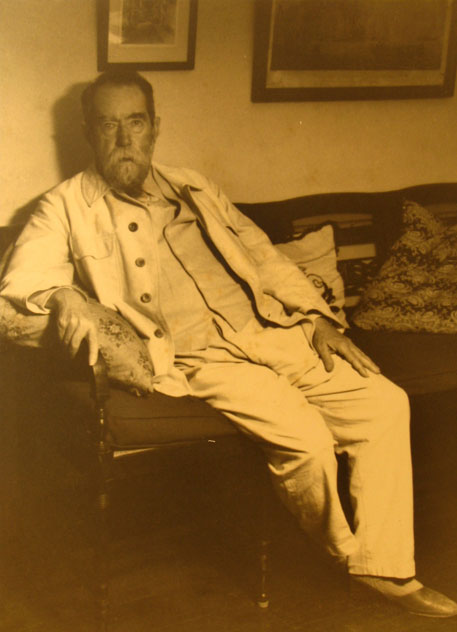
Alfredo Roque Gameiro (1864-1935) studied graphic arts in Leipzig but otherwise lived and worked in his native Portugal. He was a teacher, an illustrator but most of all he is known as one of Portugal's leading watercolor painters.
Gameiro's work can be found in various museums and numerous private collections. He won multiple accolades, including an honorable mention at the Salon de Paris.
Roque Gameiro devoted much of his work to painting urban and rural landscapes. As such, his paintings provide a valuable record of Portuguese architecture, customs and costumes. However, if one had to choose one theme that is most characteristic of his work, that would be: the sea and the sea shore.
Gameiro's style is hard to describe. One biographer summarized it by stating that
His landscapes, his portraits, and especially his seascapes, are never rigorous transpositions of reality. They reflect a state of simple and natural wonder without philosophies or schools -- of a pantheistic and Franciscan soul. (Jaime Martins Barata)
Raquel Roque Gameiro
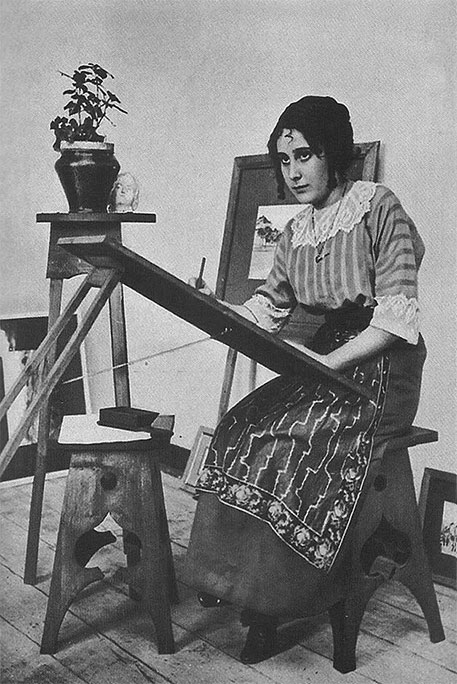
The oldest daughter of Alfredo Roque Gameiro, Raquel Roque Gameiro (1889-1970) distinguished herself as a watercolor painter and illustrator. Her work was first exhibited at Lisbon's Fine Arts Society in 1909. She received numerous awards, including the the Fine Art's Society Medal of Honor. In 1923, she participated in the Madrid exhibit of Portuguese watercolor painters.
Notwithstanding her distinguished work as a watercolor painter, Raquel is better known as a prolific illustrator, including numerous books (such as {\em O Livro do Bebé}) and various newspapers and magazines (including {\em Diário de Notícias, O Século, O Comércio do Porto}).
Manuel Roque Gameiro
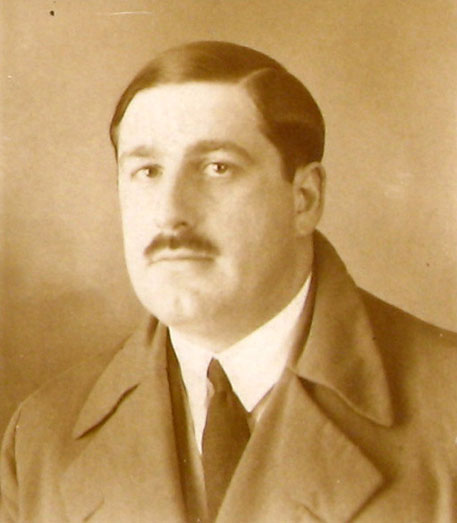
The second child and oldest son of Alfredo Roque Gameiro, Manuel Roque Gameiro (1892-1944) distinguished himself in watercolor painting. He usually signed his paintings Migança (his paternal grandfather's name). Manuel's work was distinguished by the National Fine Arts Society and included in a various exhibits. He also collaborated as a caricaturist in various humor newspapers.
Helena Roque Gameiro
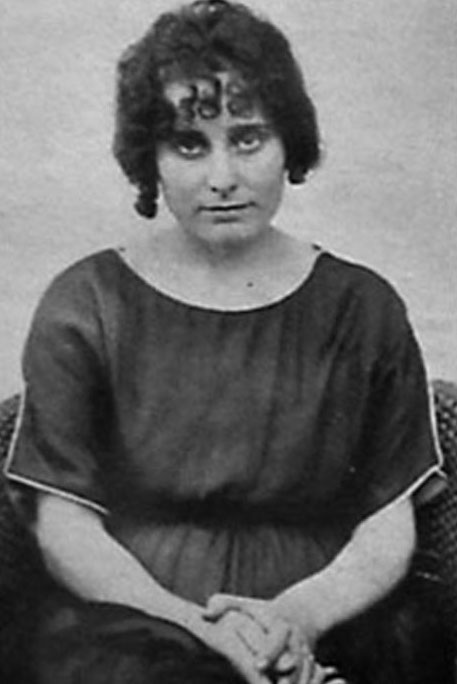
The third child of Alfredo Roque Gameiro, Helena Roque Gameiro (1895-1986) was only 15 when she first exhibited her watercolor paintings. Of all the Roque Gameiro siblings, Helena's work is closest to their father's: she painted in watercolor throughout her life and on one occasion (Rio de Janeiro and São Paulo, 1920) exhibited side-by-side with Alfredo Roque Gameiro. Rural landscapes and garden flowers were two of her main themes.
Equally impressive was Helena's work as an educator and illustrator. At 14 she was already giving classes at her father's studio/school. Later, she taught, for years, at the António Arroio school. And during the 1940s she shared with her younger sister Màmía the artistic direction of the magazine Eva.
Màmía Roque Gameiro
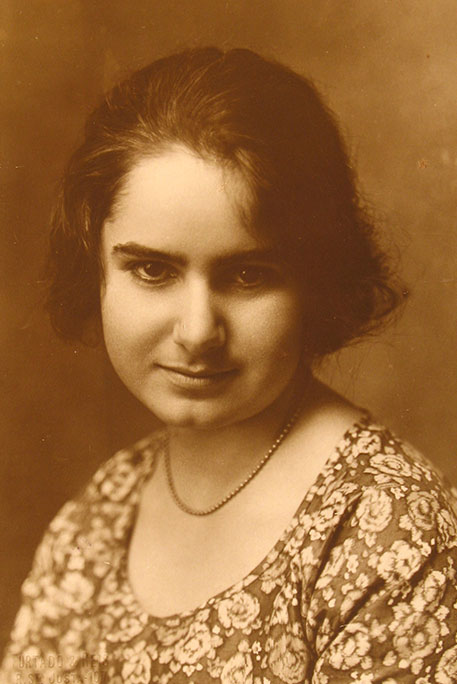
Maria Emília (Màmía) Roque Gameiro (1901-1996) was Alfredo's fourth child and youngest daughter. Urged by her father, for whom there were already enough watercolor painters, Màmía studied oil painting with Mily Possoz. In 1923, she held her first solo exhibit at Lisbon's Fine Arts Society.
She was also an arts teacher and a prolific illustrator, having contributed to numerous children's books and magazines. During the 1940s she shared with her older sister Helena the artistic direction of the magazine Eva.
Ruy Roque Gameiro
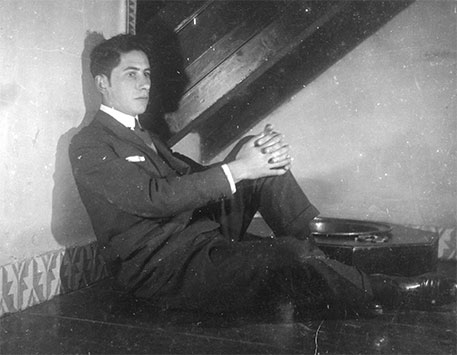
The youngest child of Alfredo Roque Gameiro, Ruy Roque Gameiro (1906-1935) studied at Lisbon Fine Arts school, focusing on sculpture. His work was first exhibited in 1929 at the National Fine Arts Society. He received various prizes and sculpture competitions. His promising art career was cut short by a tragic road accident.
José Leitão de Barros
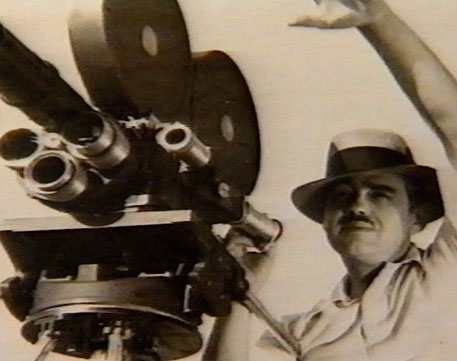
Married to Helena Roque Gameiro, José Leitão de Barros (1896-1967) was a man of multiple talents. Upon completing his studies at the University of Lisbon, he became a high-school teacher; but his varied interests eventually led him to work as a movie director, playwright, scenographer, journalist, and painter. Many of his paintings can be found in museums throughout Portugal and Spain.
By the 1930s he considered himself a "defunct painter" and devoted primarily to film making. His 1942 film, Ala Arriva, was distinguished at the Venice biennial festival.
In 1934 and 1935, he organized the first historical pageants during the Lisbon's annual festivities. He was secretary-general of the 1940 Portuguese World Exhibition.
Jaime Martins Barata
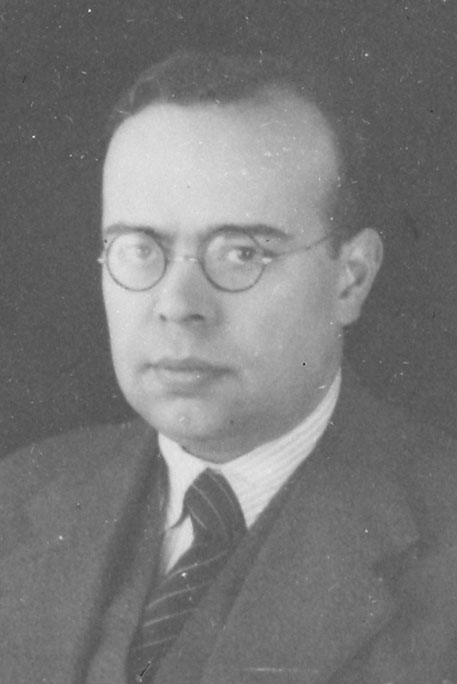
Married to Màmía Roque Gameiro, Jaime Martins Barata (1899-1970) was, like his colleague and friend José Leitão de Barros, a man of many talents. Like José, upon completing his studies at the University of Lisbon, he became a high-school teacher. An avid watercolor painter since his teen years, he complemented his teaching activity with a variety of jobs as an illustrator.
A series of commissions eventually led him to a career fully dedicated to painting, both on a large scale (multiple fresco paintings located throughout Portugal) and on a small scale (multiple postage stamps, coins and bills, many of which were in circulation for decades).
Other than painting, Martins Barata's interests included photography, naval archeology, and various inventions.